By Dr. Rajendra Shitole – Best Male Infertility Specialist in PCMC | Best Male Infertility Treatment in PCMC | Best Male Infertility Doctor in PCMC | Best IVF Consultant in PCMC
⭐ Introduction: Why Genetics Matter in Male Fertility
Male infertility is not always caused by lifestyle, infections, or hormonal imbalance. In many men—especially those with very low sperm count or no sperm in semen (azoospermia)—the underlying reason may be genetic. Genetics determine testicular development, sperm production, hormone balance, and the ability to pass on healthy DNA to the next generation.
At the Best Male Infertility Clinic in PCMC, Dr. Rajendra Shitole, a renowned Male Infertility Doctor in PCMC and IVF Specialist in PCMC, offers advanced genetic evaluation for men with unexplained infertility, recurrent IVF failures, or severely abnormal semen reports. Identifying genetic causes early helps in choosing the safest and most successful treatment path for conception.
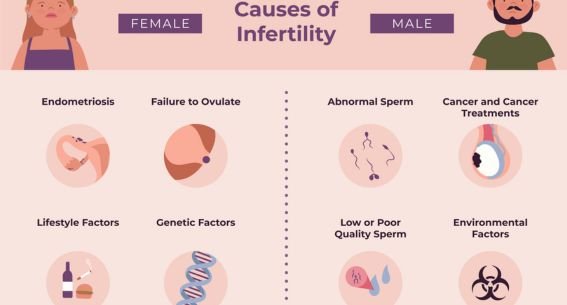
⭐ When Should You Suspect Genetic Male Infertility?
You should consider that infertility may be genetic if:
- Sperm count is very low (below 5 million/ml)
- There is no sperm in semen (azoospermia)
- Hormonal imbalance is present from a young age
- Testicles are smaller than normal
- You experienced delayed puberty
- You have a family history of infertility
- IVF/ICSI cycles previously failed
- You have birth defects or developmental abnormalities
Men facing these symptoms are evaluated at the Best Male Infertility Centre in PCMC for genetic causes before planning pregnancy treatments.
⭐ Major Genetic Causes of Male Infertility
Below are the most common genetic conditions affecting male reproductive health.
Klinefelter Syndrome (47,XXY)
This is the most common chromosomal disorder causing male infertility.
What happens?
Men normally have XY chromosomes.
Men with Klinefelter have an extra X chromosome (XXY).
Effects:
- Low testosterone
- Small testicles
- Very low sperm count
- Few or no mature sperm
- Poor sexual development
- Learning difficulties in some cases
Special hormonal therapy and Micro-TESE sperm retrieval can help many men father biological children. At the Best Male Infertility Treatment in PCMC, such cases are handled with high expertise.
Y-Chromosome Microdeletions (YCMD)
The Y chromosome contains genes essential for sperm production.
If small parts (AZF region) are missing, sperm production stops or becomes extremely low.
Types:
- AZFa deletion → No sperm production
- AZFb deletion → Severe infertility
- AZFc deletion → Some sperm may be retrievable
Y-microdeletion testing is essential before IVF or ICSI.
CFTR Gene Mutation (Related to Cystic Fibrosis)
This condition causes Congenital Absence of the Vas Deferens (CAVD).
What happens?
The vas deferens—the tube that carries sperm from testicles—is missing from birth.
Effects:**
- Azoospermia
- Normal sperm inside testes but blocked pathway
- Requires surgical sperm retrieval
With Micro-TESE/TESA and ICSI, men with this condition can still father children.
For safety, partners may require genetic screening to avoid passing the mutation.
Kallmann Syndrome
A rare genetic condition affecting hormone production.
Features:
- Low testosterone
- Poor testicular development
- Lack of puberty
- Reduced sense of smell
Treatment includes hormonal therapy to stimulate sperm production.
Chromosomal Translocations
Swapped or missing parts of chromosomes lead to:
- Miscarriages
- Failed IVF cycles
- Poor embryo development
- Azoospermia
Preimplantation Genetic Testing (PGT) is recommended in such cases at the Best IVF Consultant in PCMC.
⭐ How Genetic Problems Affect Fertility
Genetic defects can impact:
- Sperm quantity
- Sperm shape
- Sperm motility
- Hormonal balance
- Testicular development
- Pathway blockage
- DNA quality of embryos
These issues reduce natural conception possibilities and may increase miscarriage risk.
⭐ Genetic Testing: The Key to Accurate Diagnosis
At the Best Male Infertility Centre in PCMC, the following tests help identify genetic causes:
Karyotyping
Checks the number and structure of chromosomes.
Used for:
- Klinefelter Syndrome
- Translocations
- Azoospermia/Severe Oligospermia
Y-Chromosome Microdeletion Test
Detects missing genetic material responsible for sperm production.
3. CFTR Mutation Test
Used for men with vas deferens blockage or very low semen volume.
4. DNA Fragmentation Test
Evaluates sperm DNA quality — important for IVF/ICSI success.
PGT (Preimplantation Genetic Testing)
Recommended when undergoing IVF to ensure transfer of genetically healthy embryos.
⭐ Treatment Options for Genetic Male Infertility
While genetic conditions cannot be “cured,” they can be managed with advanced fertility treatments.
Hormonal Therapy
Used in:
- Kallmann Syndrome
- Mild testosterone deficiency
- Pituitary-related genetic disorders
Improves testicular function and sperm production.
Surgical Sperm Retrieval (TESA, TESE, Micro-TESE)
Sperm can often be retrieved from the testicles even when none appear in semen.
These techniques are performed by specialists like Dr. Rajendra Shitole – Best Male Infertility Doctor in PCMC, especially when preparing for ICSI.
IVF & ICSI
The most successful technique for genetic infertility.
Why ICSI?
- Only one healthy sperm is needed
- Helps overcome severe sperm defects
- Effective for azoospermia and microdeletions
Many men with genetic problems become fathers through ICSI performed by an experienced IVF Doctor.
Preimplantation Genetic Testing (PGT)
Used to ensure embryos are genetically normal before transfer.
Helps reduce miscarriages and improves IVF success.
Donor Sperm (only in rare cases)
Recommended only if:
- No sperm can be found surgically
- The condition has high transmission risk
Always discussed sensitively at the Best Male Infertility Clinic in PCMC.
⭐ When Should You Worry?
Consult Dr. Rajendra Shitole – Best Male Infertility Specialist in PCMC if:
- Sperm count is extremely low
- Azoospermia is diagnosed
- No improvement after treatment
- Hormonal levels are abnormal
- There is a family history of infertility
- IVF/ICSI cycles repeatedly fail
Genetic evaluation at the right time prevents unnecessary delays and improves chances of conception.
⭐ Conclusion
Genetic causes of male infertility require expert diagnosis, careful evaluation, and advanced fertility treatments. With the right approach—sperm retrieval, ICSI, hormonal therapy, and genetic screening—many men with genetic conditions successfully become fathers.
At the Best Male Infertility Centre in PCMC, Dr. Rajendra Shitole provides world-class genetic evaluation and tailored fertility solutions. Whether dealing with Y-chromosome microdeletions, Klinefelter syndrome, CFTR mutations, or other genetic abnormalities, expert guidance ensures safety, clarity, and the highest chances of a healthy pregnancy.

Dr. Rajendra Shitole
Dr. Rajendra Shitole, Best IVF & Fertility Specialist Centre in PCMC . is a highly skilled Gynaecologist, Fertility Consultant, and Laparoscopic & Robotic Surgeon with over 11 years of experience dedicated to women’s health and reproductive care. His mission is to help childless couples fulfill their dream of parenthood through compassionate care and advanced medical expertise.
He has successfully managed numerous complex cases of Infertility, Fibroids, PCOS, Adenomyosis, Endometriosis, and Male Factor Infertility.